
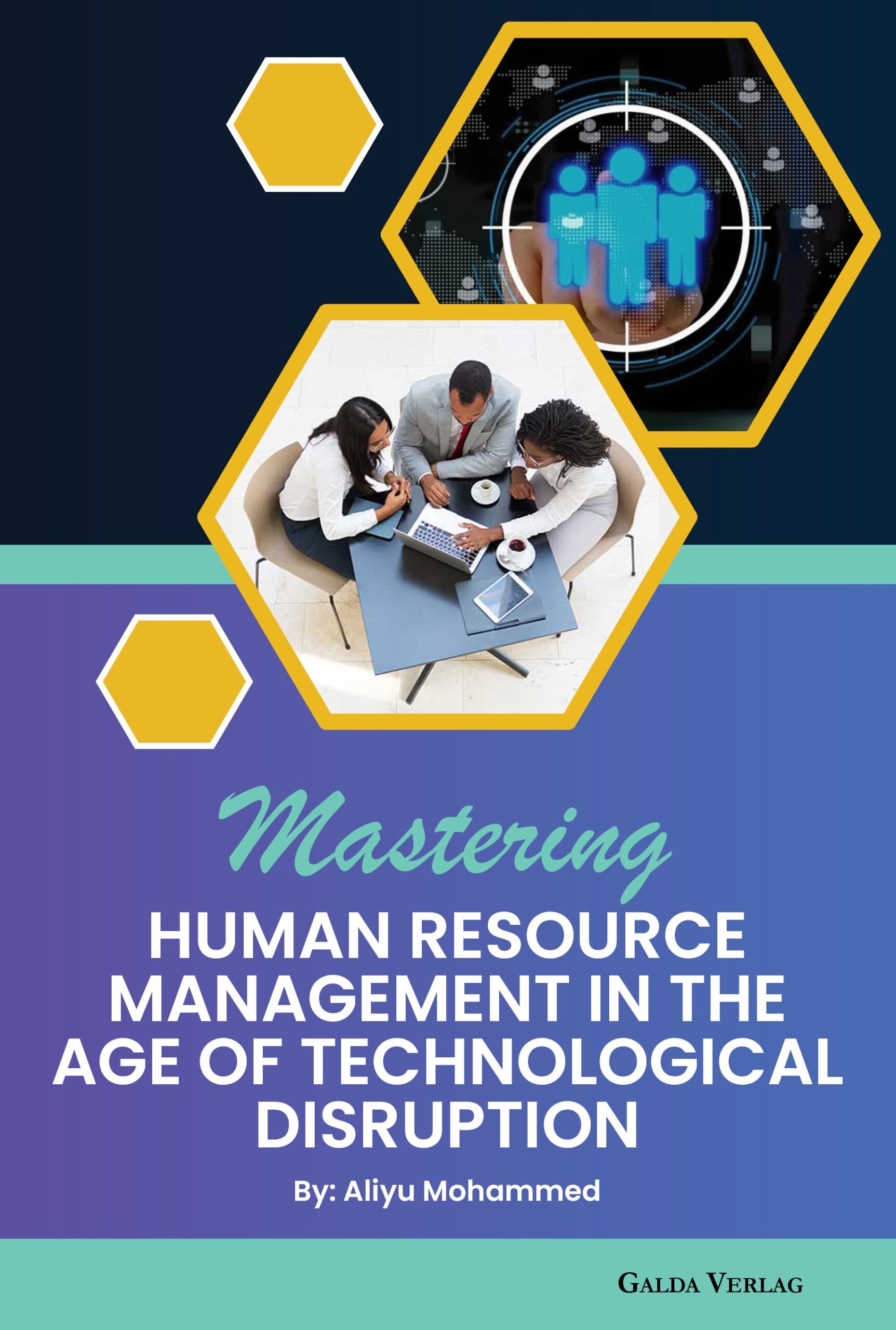
Mastering Human Resource Management in the Age of Technological Disruption (PDF)
39,99 €
Your Legal Guarantee Rights
Mastering Human Resource Management in the Age of Technological
Disruption is an advanced and comprehensive textbook that delves
into the dynamic field of Human Resource Management. It offers
in-depth coverage of essential topics such as the Purview of Human
Resource Management, Organization of the Job, and Human Resource
Planning. Key areas include Staffing, Training and Development,
Performance Evaluation, Compensation Programs, and strategies for
enhancing Motivation and Leadership. The book also addresses critical
issues like Discipline in Organizations, Employee Safety, Health,
and Welfare, the Management of Organizational Conflicts, Labour
Management Relations, Collective Bargaining, and the Separation
Process, culminating with a focus on Employee Retirement Benefits.
This guide equips HR professionals with the tools to navigate and
excel in the evolving landscape shaped by technological disruption.
Aliyu Mohammed is a lecturer and Coordinator for the Centre for Continuing Learning (CCL) at Skyline University Nigeria. He holds a B.Sc. in Business Administration and an M.Sc. in Management from Bayero University Kano and is pursuing his PhD in Management.
T A B L E O F C O N T E N T S
Foreword …………………………………………………………………………………………………….. i
Preface ……………………………………………………………………………………………………….iii
Acknowledgment……………………………………………………………………………………….. v
Table of Contents ………………………………………………………………………………………vii
CHAPTER ONE:
PURVIEW OF HUMAN RESOURCE MANAGEMENT
Introduction ………………………………………………………………………………………………. 1
Meaning of Human Resource Management ……………………………………………….. 2
Managerial Functions …………………………………………………………………………….. 4
Application of Managerial Functions in Modern Organizations …………… 10
Operative Functions……………………………………………………………………………… 11
Procurement ………………………………………………………………………………………… 11
Development ………………………………………………………………………………………… 12
Compensation………………………………………………………………………………………. 13
Integration ……………………………………………………………………………………………. 13
Maintenance …………………………………………………………………………………………. 14
Separation …………………………………………………………………………………………….. 14
Objectives of Human Resource Management …………………………………………… 15
Scope of Human Resource Management ………………………………………………….. 18
viii Table of Contents
Managing Workers ……………………………………………………………………………….. 19
Managing Owners of the Means of Production …………………………………….. 19
Managing Society …………………………………………………………………………………. 20
Developments and Challenges of Human Resource
Management in Nigeria ……………………………………………………………………………. 21
Pre-Colonial Era …………………………………………………………………………………… 21
Colonial Era …………………………………………………………………………………………. 21
Post-Colonial Era …………………………………………………………………………………. 22
Developments of HRM in Nigeria ………………………………………………………… 24
Challenges of HRM in Nigeria ……………………………………………………………… 25
Strategies to Improve HRM Practices in Nigeria: ………………………………….. 26
Summary …………………………………………………………………………………………………. 27
Review Questions …………………………………………………………………………………….. 28
CHAPTER TWO:
ORGANIZATION OF THE JOB
Introduction …………………………………………………………………………………………….. 29
Job Design ……………………………………………………………………………………………….. 30
Job Enrichment …………………………………………………………………………………….. 33
Job Enlargement …………………………………………………………………………………… 33
Job Rotation …………………………………………………………………………………………. 34
Ergonomics ………………………………………………………………………………………….. 34
Job Diagnostic Survey ………………………………………………………………………………. 35
Skill Variety ………………………………………………………………………………………….. 36
Task Identity …………………………………………………………………………………………. 37
Mastering Human Resource Management in the Age of Technological Disruption ix
Task Significance ………………………………………………………………………………….. 37
Autonomy …………………………………………………………………………………………….. 38
Feedback ………………………………………………………………………………………………. 38
Job Analysis ……………………………………………………………………………………………… 39
Definition of Job Analysis …………………………………………………………………….. 39
Purpose of Job Analysis ………………………………………………………………………… 39
Factors Influencing Job Analysis …………………………………………………………… 40
Methods of Job Analysis ……………………………………………………………………….. 41
Uses of Job Analysis ……………………………………………………………………………… 45
Job Description ………………………………………………………………………………………… 46
Job Specification ………………………………………………………………………………………. 49
Job Evaluation ………………………………………………………………………………………….. 50
Summary …………………………………………………………………………………………………. 54
Revision Questions …………………………………………………………………………………… 55
CHAPTER THREE:
HUMAN RESOURCE PLANNING
Introduction …………………………………………………………………………………………….. 57
Importance of Human Resource Planning ……………………………………………….. 57
Human Resource Planning Process ………………………………………………………….. 59
How to Ensure Good Human Resource Planning …………………………………….. 64
Summary …………………………………………………………………………………………………. 65
Review Questions …………………………………………………………………………………….. 67
x Table of Contents
CHAPTER FOUR:
STAFFING
Introduction …………………………………………………………………………………………….. 69
The Importance of Staffing in an Organization ……………………………………… 70
Recruitment …………………………………………………………………………………………….. 71
Reasons Why Vacancies Exist in Organizations………………………………………… 73
Sources of Recruitment ……………………………………………………………………………. 74
Internal Sources of Recruitment …………………………………………………………… 75
Advantages of Internal Recruitment …………………………………………………. 76
Disadvantages of Internal Recruitment …………………………………………….. 76
External Sources of Recruitment ………………………………………………………….. 77
Advantages of External Recruitment …………………………………………………. 78
Disadvantages of External Recruitment …………………………………………….. 79
Considerations in Recruitment …………………………………………………………….. 80
Selection Process ……………………………………………………………………………………… 81
Types of Interview ……………………………………………………………………………………. 87
Rules for Conducting Interviews ………………………………………………………. 89
Physical Examination ……………………………………………………………………….. 91
Limitations of Physical Examination …………………………………………………. 92
Formal Tests ……………………………………………………………………………………… 92
Assessment Centers ………………………………………………………………………….. 94
Placement ………………………………………………………………………………………………… 97
Orientation ……………………………………………………………………………………………..100
Summary ………………………………………………………………………………………………..104
Review Questions ……………………………………………………………………………………106
Mastering Human Resource Management in the Age of Technological Disruption xi
CHAPTER FIVE:
TRAINING AND DEVELOPMENT
Introduction ……………………………………………………………………………………………107
Factors Determining Training Needs ………………………………………………………108
Steps in Training and Development …………………………………………………………110
Types of Training …………………………………………………………………………………….114
Training and Development Methods ……………………………………………………….116
1. Information presentation techniques ……………………………………………….116
2. Simulation Methods …………………………………………………………………………118
3. On the Job Practice ………………………………………………………………………….119
Advantages of Training and Development ……………………………………………….123
Limitations of Training and Development ……………………………………………….125
Summary ………………………………………………………………………………………………..127
Review Questions ……………………………………………………………………………………130
CHAPTER SIX:
PERFORMANCE EVALUATION
Introduction ……………………………………………………………………………………………131
Pre-requisites for a Proper Evaluation Programme ………………………………….132
Methods of Performance Evaluation ……………………………………………………….133
Uses for Performance Evaluation …………………………………………………………….135
Pitfalls to Avoid in Performance Evaluation …………………………………………….136
Summary ………………………………………………………………………………………………..139
Review Question ……………………………………………………………………………………..140
xii Table of Contents
CHAPTER SEVEN:
COMPENSATION PROGRAMMES
Introduction ……………………………………………………………………………………………141
Factors Influencing Compensation Policy ……………………………………………….142
Types of Compensation …………………………………………………………………………..143
Ways of Setting Wage Rating and Pay Scale ……………………………………………..145
(1) Time Rate System …………………………………………………………………………..147
Advantages of the Time Rate System………………………………………………..147
Disadvantages of the Time Rate System……………………………………………148
(2) Piece Rate System …………………………………………………………………………..149
Advantages of Piece Rate System ……………………………………………………..149
Disadvantages of Piece Rate System …………………………………………………150
(3) Bonus System …………………………………………………………………………………151
Advantages of Bonus System ……………………………………………………………151
Disadvantages of Bonus System ……………………………………………………….152
Types of Bonus System …………………………………………………………………….153
(4) Profit Sharing System and Co-patrnership ……………………………………..154
Advantages of Profit Sharing System ………………………………………………..155
Disadvantages of Profit Sharing System ……………………………………………156
Advantages of Co-partnership …………………………………………………………157
Disadvantages of Co-partnership …………………………………………………….157
Summary ………………………………………………………………………………………………..158
Review Question ……………………………………………………………………………………..160
Mastering Human Resource Management in the Age of Technological Disruption xiii
CHAPTER EIGHT:
MOTIVATION
Motivation and Motivators ……………………………………………………………………..162
Need-Want-Satisfaction Chain ………………………………………………………………..163
Theories of Motivation…………………………………………………………………………….166
Summary ………………………………………………………………………………………………..174
Review Questions ……………………………………………………………………………………175
CHAPTER NINE:
LEADERSHIP
Introduction ……………………………………………………………………………………………177
Leadership Effectiveness ………………………………………………………………………….179
Typology of Different Forms of Influence ………………………………………………..180
Trait and Skills Characteristics of Successful Leaders ………………………………181
Scales That Define Effective and Successful Leadership Behaviour…………..182
Leadership Styles …………………………………………………………………………………….183
Different Approaches or Perspectives to Understanding Leadership ………..184
Types of Traditional Styles …………………………………………………………………..184
Leadership Challenges …………………………………………………………………………….216
Summary ………………………………………………………………………………………………..217
Review Questions ……………………………………………………………………………………219
xiv Table of Contents
CHAPTER TEN:
DISCIPLINE IN ORGANISATION
Introduction ……………………………………………………………………………………………221
Objectives of Discipline …………………………………………………………………………..222
Types of Discipline Problems…………………………………………………………………..223
Factors of Discipline Problem………………………………………………………………….225
Principles of Effective Discipline ……………………………………………………………..226
Disciplinary Actions ……………………………………………………………………………….227
Summary ………………………………………………………………………………………………..229
Review Questions ……………………………………………………………………………………230
CHAPTER ELEVEN:
SAFETY, HEALTH AND WELFARE OF EMPLOYEES
Introduction ……………………………………………………………………………………………231
Importance of Safety, Health and Welfare of
Employees in the Workplace ……………………………………………………………………232
Why It Is Important for Employers to Regularly Evaluate Their Safety,
Health, and Welfare Programs …………………………………………………………………233
Effective Strategies for Training Employees on Safety, Health,
and Welfare Issues in the Workplace ……………………………………………………….234
Roles of Employees in Promoting Safety, Health, and
Welfare in the Workplace ………………………………………………………………………..235
Impact Can Workplace Stress Have on Employee Productivity and
How Can Organizations Effectively Manage This Issue ……………………………236
Role of Government in Ensuring the Safety, Health,
and Welfare of Employees in the Workplace, and
How Can Employers Effectively Comply with Relevant Regulations ……….237
Mastering Human Resource Management in the Age of Technological Disruption xv
Safety of Employees …………………………………………………………………………………238
Safety Programme …………………………………………………………………………………..239
The Factories Act Cap, 126, Law of Nigeria 1990 ……………………………………..241
Definition of Factory ……………………………………………………………………………….242
Registration of Factories ………………………………………………………………………….242
Safety and Health Measures …………………………………………………………………….242
Employment of Young Persons ………………………………………………………………..243
Working Hours ……………………………………………………………………………………….243
Welfare Measures …………………………………………………………………………………….244
Inspection and Enforcement ……………………………………………………………………244
Machinery and Equipment ……………………………………………………………………..245
Hazardous Substances……………………………………………………………………………..245
Accident Reporting …………………………………………………………………………………246
Emergency Preparedness…………………………………………………………………………246
Employment of Women …………………………………………………………………………..247
Penalties for Non-compliance …………………………………………………………………247
The Causes of Accidents ………………………………………………………………………….248
Preventive Measure of Accident ………………………………………………………………251
Some Preventive Measures That Can Be Taken to
Minimize the Risk of Accidents……………………………………………………………….253
Health of Employees ……………………………………………………………………………….256
How Can Organizations Promote Mental Health and
Well-Being among Employees …………………………………………………………………258
Health Programme ………………………………………………………………………………….261
Physicals Health in an Organization ………………………………………………………..265
Measures That Can Be Put in Place to Ensure the
Physical Health of Employees in an Organization ……………………………………268
Mental Health in an Organization …………………………………………………………..271
xvi Table of Contents
Alcoholism and Drug ……………………………………………………………………………..274
The Recommended Procedures for Dealing with
(Alcoholism and Drug Abuse)…………………………………………………………………277
Stress Management ………………………………………………………………………………….280
The Identification of Stressors …………………………………………………………………280
Steps to Identify Stressors ………………………………………………………………………..283
Welfare of Employees ………………………………………………………………………………285
Welfare Programme ………………………………………………………………………………..286
How Organizations Can Effectively Implement a Welfare Program to
Support the Well-Being of Employees ……………………………………………………..290
Important Factors That Determines the Success of a
Welfare Program in an Organization ……………………………………………………….293
Goals of Welfare Programme …………………………………………………………………..294
Element of Welfare Programme ………………………………………………………………297
Benefit of Welfare Programme ………………………………………………………………..299
Implementation of Welfare Programme …………………………………………………..302
Evaluation of Welfare Programme …………………………………………………………..306
Review Question on Safety, Health and Welfare of Employees …………………310
Discussion Question on Safety, Health and Welfare of Employees …………..311
CHAPTER TWELVE:
MANAGEMENT OF ORGANIZATIONAL CONFLICT
Introduction ……………………………………………………………………………………………313
Causes of Organizational Conflict …………………………………………………………..314
Managing Organizational Conflict ………………………………………………………….317
Mastering Human Resource Management in the Age of Technological Disruption xvii
Benefits of Effective Conflict Management ………………………………………………318
Types of Conflicts ……………………………………………………………………………………319
Sources of Conflict ………………………………………………………………………………….320
Factors Influencing Conflicts …………………………………………………………………..321
Managing Conflict …………………………………………………………………………………..323
Steps to Managing Conflict in an Organization ……………………………………….324
The Five Phases That Occur before the Five Steps of
Conflict Management in an Organization ……………………………………………….325
Approaches to Conflicts Resolution ………………………………………………………..327
Organizational Conflict and Performance ……………………………………………….328
Advantages and Disadvantages of Organizational
Conflict and Performance ……………………………………………………………………….329
Comparison of the Old and the New Views of Conflict …………………………..330
Aftermath of Conflict ………………………………………………………………………………332
Functional Conflict ………………………..